
Discover the 7 protected birds of Cyprus in the maze
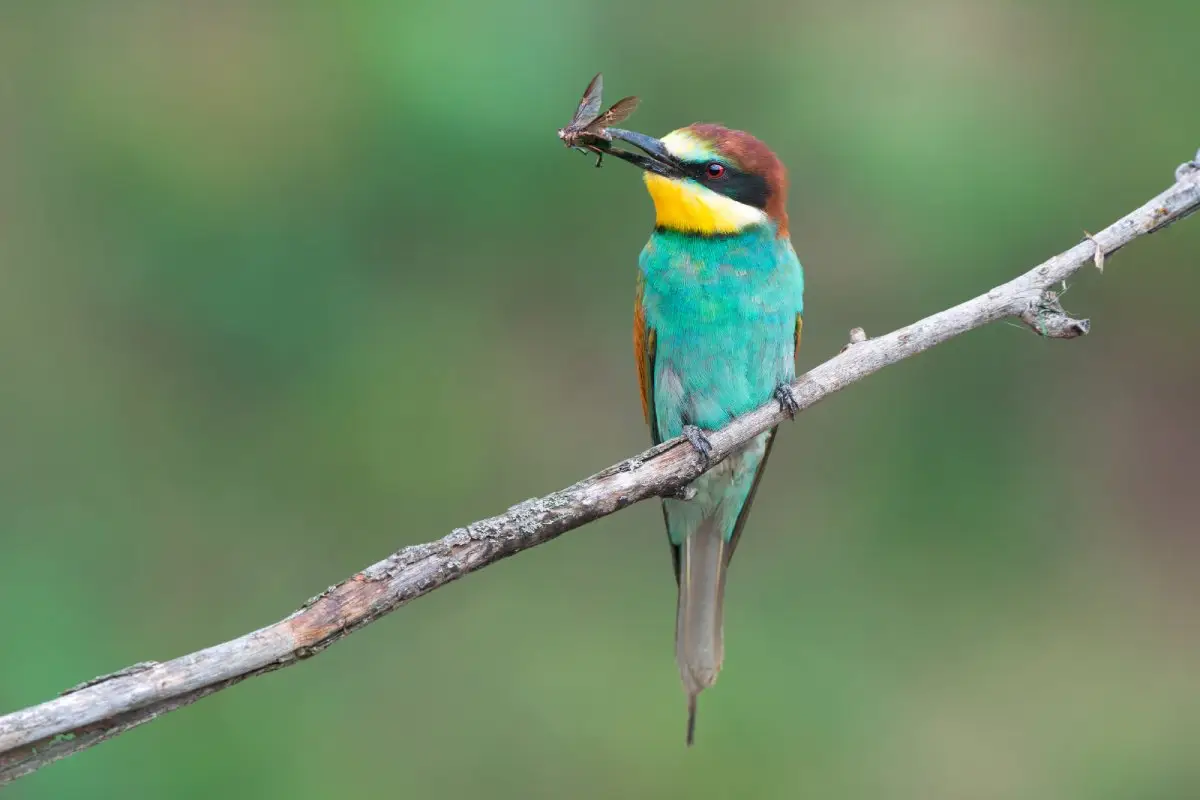
European Bee-eater
One of Europe’s most colourful birds, with bright blue, yellow, chestnut and green plumage.
European Bee-eater
Merops apiaster
One of Europe's most colourful birds, with bright blue, yellow, chestnut and green plumage. Bee-eaters are highly skilled aerial hunters that catch insects while flying.
Season
Spring to Autumn (April–September in Cyprus)
Cycle of Life
Bee-eaters arrive in spring to breed. They dig long tunnels in sandy banks where they lay 5–7 eggs. Chicks hatch after about 3 weeks and leave the nest after around 1 month. They migrate to Africa for winter.
Diet
Flying insects, especially bees, wasps, dragonflies and butterflies.
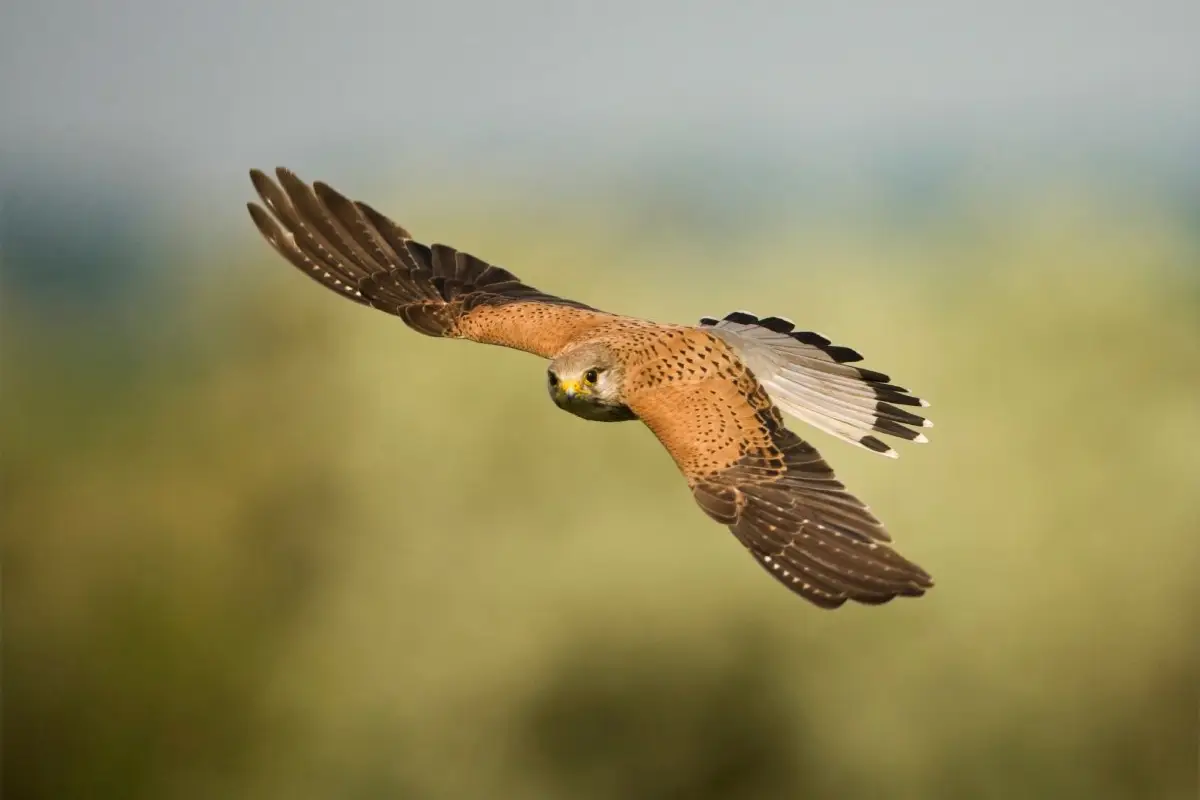
Common Kestrel
A small falcon often seen hovering motionless in the air while searching for prey below.
Common Kestrel
Falco tinnunculus
A small falcon often seen hovering motionless in the air while searching for prey below.
Season
Resident all year in Cyprus.
Cycle of Life
Breeding begins in spring. Females lay 3–6 eggs in cliffs, buildings or old nests. Young birds fledge after about one month and become independent shortly after.
Diet
Lizards, insects, mice, small birds and other small animals.
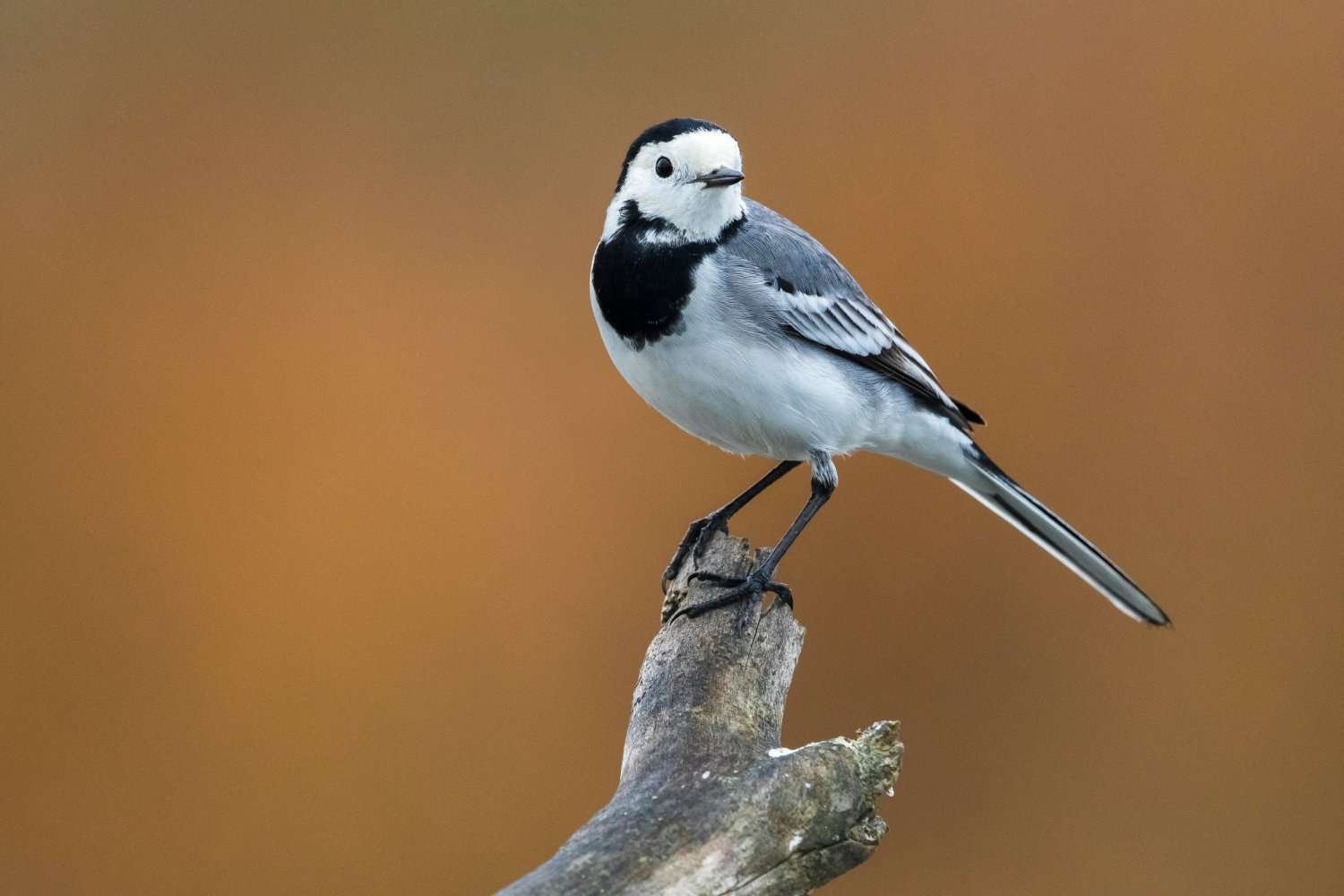
White Wagtail
A slender black-and-white bird famous for constantly wagging its tail as it walks.
White Wagtail
Motacilla alba
A slender black-and-white bird famous for constantly wagging its tail as it walks.
Season
Mainly Autumn to Spring in Cyprus; many are winter visitors.
Cycle of Life
Breeds across Europe and Asia during spring and summer. Nests are built in cavities, walls or riverbanks. Most birds migrate south for winter.
Diet
Insects, flies, beetles, spiders and other small invertebrates.
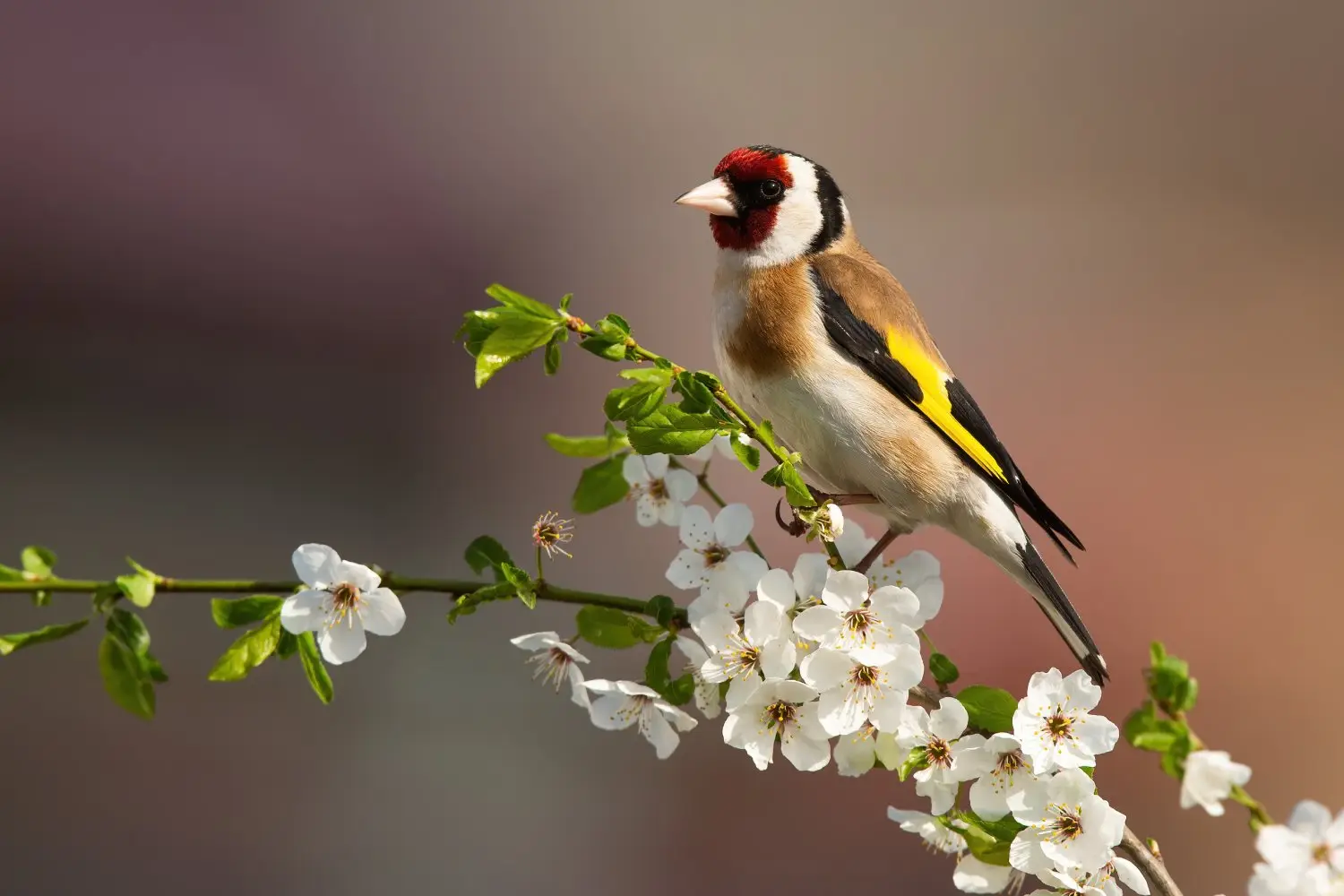
European Goldfinch
A colourful finch recognised by its bright red face, black-and-white head and yellow wing markings.
European Goldfinch
Carduelis carduelis
A colourful finch recognised by its bright red face, black-and-white head and yellow wing markings.
Season
Resident throughout the year in Cyprus.
Cycle of Life
Breeds from spring to early summer. Females build neat cup-shaped nests and lay 4–6 eggs. Young birds leave the nest after about two weeks.
Diet
Seeds, especially thistles and teasels, along with small insects and caterpillars. Goldfinches are known to feed on the caterpillars of the Pine Processionary Moth (Thaumetopoea pityocampa), helping to reduce the numbers of this pest and protect pine trees from damage.
Fun Fact
Goldfinches can help keep forests healthy by eating Pine Processionary Moth caterpillars, which would otherwise feed on pine needles and weaken trees.
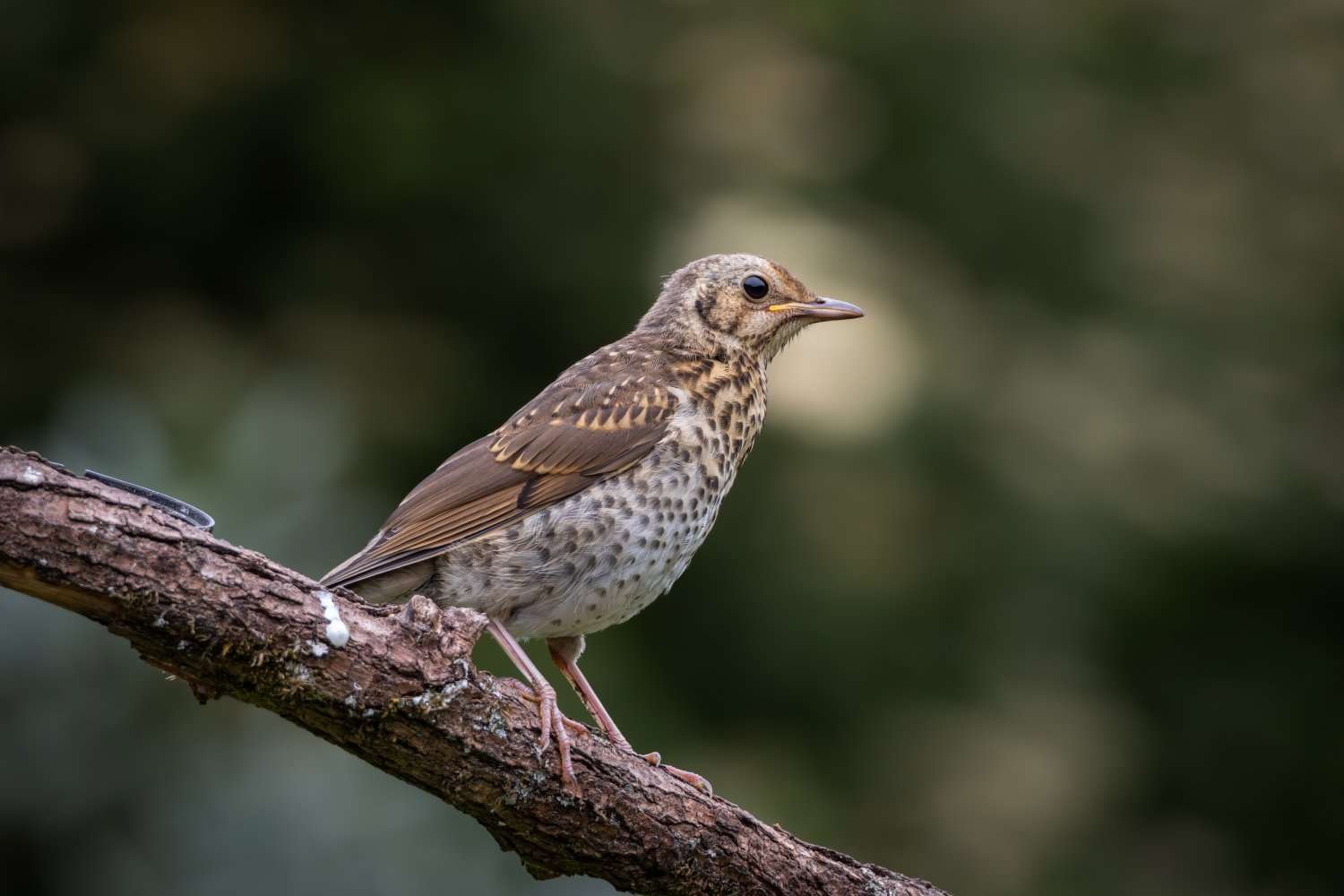
Song Thrush
A brown songbird with a cream-coloured breast covered in dark spots. Known for its beautiful, repeated musical phrases.
Song Thrush
Turdus philomelos
A brown songbird with a cream-coloured breast covered in dark spots. Known for its beautiful, repeated musical phrases.
Season
Autumn to Spring in Cyprus; mainly a winter visitor.
Cycle of Life
Breeds in northern Europe during spring and summer. Migrates south in autumn and returns north to breed.
Diet
Earthworms, snails, insects, berries and fruit.
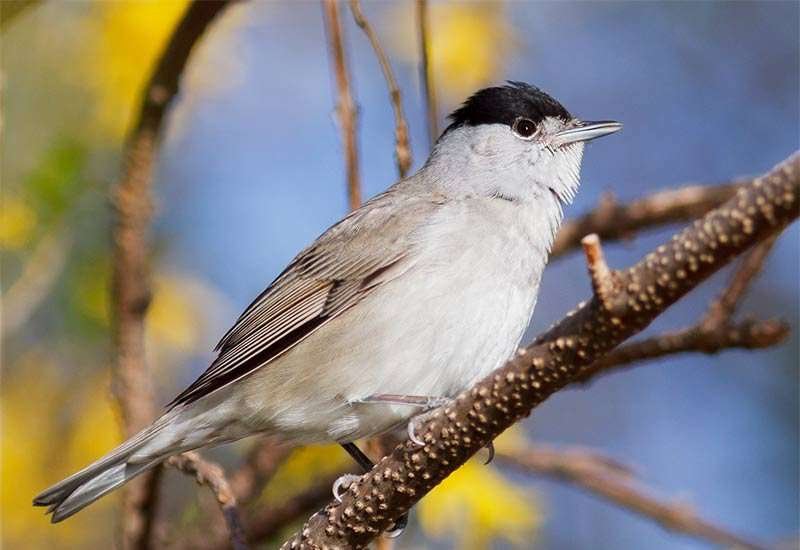
Eurasian Blackcap
A small woodland warbler. Males have a black cap while females have a chestnut-brown cap. Famous for its rich, flute-like song.
Eurasian Blackcap
Sylvia atricapilla
A small woodland warbler. Males have a black cap while females have a chestnut-brown cap. Famous for its rich, flute-like song.
Season
Autumn to Spring in Cyprus; many are winter visitors.
Cycle of Life
Breeds throughout Europe during spring. Nests are built low in shrubs and contain 4–5 eggs. Many migrate to the Mediterranean and Africa for winter.
Diet
Insects, spiders, berries and soft fruits.
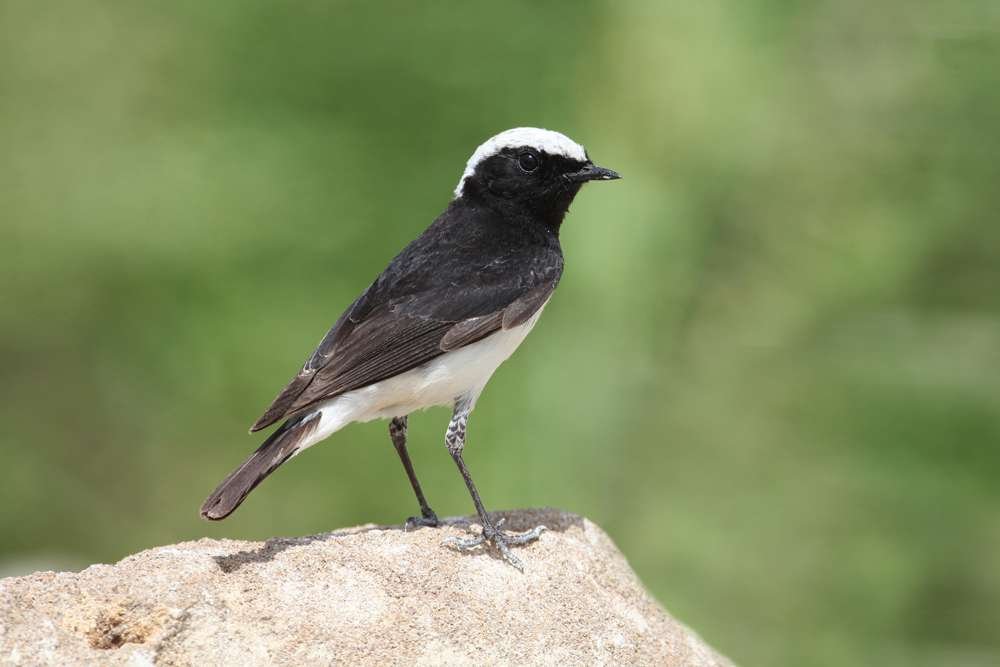
Cyprus Wheatear
A bird found only as a breeding species in Cyprus. Males have striking black-and-white plumage and are often seen perched on rocks or shrubs.
Cyprus Wheatear
Oenanthe cypriaca
A bird found only as a breeding species in Cyprus. Males have striking black-and-white plumage and are often seen perched on rocks or shrubs.
Season
Spring and Summer breeder (March–September).
Cycle of Life
Arrives from Africa in spring to breed. Nests are built in holes, walls or rocky crevices. Females lay 4–6 eggs. After breeding, the birds migrate back to eastern Africa.
Diet
Insects, beetles, caterpillars, ants and other small invertebrates.