Wildlife of Cyherbia: A Haven for Cyprus’ Native Species
Beyond the herb gardens, lavender fields, and winding pathways of Cyherbia Botanical Park lies a thriving ecosystem. The park’s woodlands, meadows, stone walls, ponds, and flowering plants provide shelter and food for a remarkable variety of wildlife. Some species are found throughout the Mediterranean, while others are unique to Cyprus and found nowhere else on Earth.
By maintaining diverse habitats and avoiding the use of harmful pesticides, Cyherbia supports wildlife that plays an essential role in pollination, pest control, seed dispersal, and maintaining healthy ecosystems.
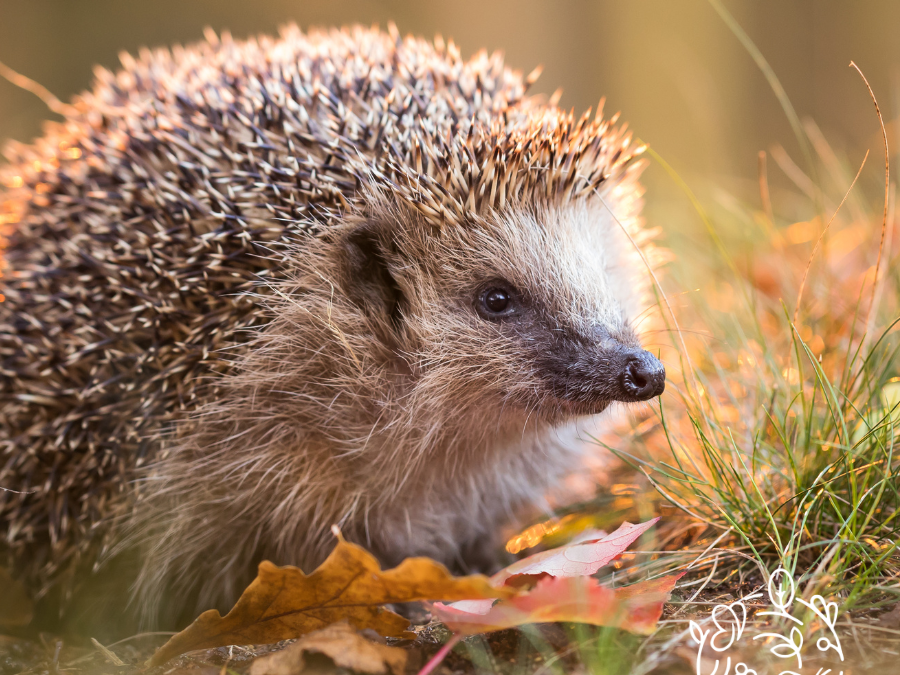
Cyprus Hedgehog
Atelerix algirus doris
The Cyprus Hedgehog is one of the island’s most familiar mammals, although it is rarely seen during the day. As darkness falls, these shy nocturnal animals emerge to forage among the gardens and woodland floor.
Size
15–25 cm long
When to See Them
Most active from spring to autumn, particularly during warm evenings.
Life Cycle
Breeding takes place between spring and summer. Females give birth to litters of three to six young, known as hoglets. The young remain with their mother for several weeks before becoming independent.
Diet
- Beetles
- Caterpillars
- Earthworms
- Snails
- Slugs
- Other small invertebrates
Habitat
Hedgerows, woodland edges, dense vegetation, leaf litter, and quiet sheltered areas.
Ecological Role
The Cyprus Hedgehog is a natural pest controller. By feeding on insects and other invertebrates, it helps maintain ecological balance and supports healthy gardens without the need for chemical intervention.
Cyprus Agama
Laudakia cypriaca
Known locally as the “Kourkoutas”, the Cyprus Agama is an endemic species found nowhere else in the world. For many years it was thought to belong to a widespread Mediterranean species, but genetic research revealed that Cyprus’ population evolved separately and represents its own unique lineage.
Size
Up to 35 cm in total length.
When to See Them
March to November, especially on warm sunny days.
Life Cycle
Mating occurs in spring. Females lay eggs in sandy or loose soil, where the warmth of the sun helps incubation. Juveniles emerge during summer and gradually develop the distinctive appearance of adults.
Diet
- Beetles
- Ants
- Grasshoppers
- Spiders
- Other small insects
Habitat
Rocky outcrops, stone walls, dry woodland, ruins, and sun-exposed areas.
Ecological Role
As an insect predator, the Cyprus Agama helps regulate insect populations. In turn, it forms part of the diet of larger predators, contributing to the island’s food web.
Visitors often spot these charismatic reptiles basking on walls and rocks throughout Cyherbia.
Owls of Cyprus
As daylight fades, a different community of wildlife becomes active. Owls are among Cyprus’ most important nocturnal predators and can occasionally be heard or observed around the park.
Barn Owl
Tyto alba
Size
Wingspan: 80–95 cm
Diet
- Mice
- Rats
- Small birds
- Reptiles
Habitat
Farmland, woodland edges, old buildings, and open countryside.
Ecological Role
Barn Owls provide highly effective natural rodent control. A single owl family can consume thousands of rodents each year.
Little Owl
Athene noctua
Size
21–23 cm tall
Diet
- Insects
- Beetles
- Small mammals
- Lizards
Habitat
Tree cavities, stone walls, orchards, and rural landscapes.
Ecological Role
The Little Owl helps regulate both insect and rodent populations and is an important indicator of healthy countryside habitats.
When to See Them
Year-round, particularly at dawn and dusk.
Cyprus White Butterfly
Pieris mannii
The Cyprus White Butterfly is a common sight in flower-rich habitats across the island. Its graceful flight between flowering plants makes it one of the most visible pollinators in the park.
Size
Wingspan: 40–50 mm
When to See Them
February to November.
Life Cycle
Like all butterflies, it undergoes complete metamorphosis:
Egg → Caterpillar → Chrysalis → Adult Butterfly
Several generations may occur within a single year.
Diet
Adult butterflies feed on nectar from flowering plants.
Caterpillars feed primarily on plants within the mustard family.
Habitat
Meadows, herb gardens, agricultural landscapes, and open countryside.
Ecological Role
As pollinators, these butterflies help many flowering plants reproduce and contribute to overall biodiversity.
Swallowtail Butterfly
Papilio machaon
The Swallowtail is one of Europe’s largest and most spectacular butterflies. Its distinctive tail-like wing extensions and striking yellow-and-black markings make it instantly recognisable.
Size
Wingspan: 65–90 mm
When to See Them
Spring through autumn.
Life Cycle
Egg → Caterpillar → Chrysalis → Adult Butterfly
The caterpillar undergoes several growth stages before transforming into a chrysalis and eventually emerging as an adult butterfly.
Diet
Adult butterflies feed on nectar.
Caterpillars feed on:
- Fennel
- Wild carrot
- Rue
- Other members of the carrot family (Apiaceae)
Habitat
Herb gardens, meadows, grasslands, and flower-rich landscapes.
Ecological Role
Swallowtails are important pollinators and indicators of habitat quality. Their presence reflects a healthy environment with abundant native plants.
Protecting Biodiversity at Cyherbia
Every wildflower, tree, stone wall, and patch of woodland contributes to the web of life found at Cyherbia. By creating habitats for wildlife and encouraging native species to thrive, the park supports biodiversity while offering visitors an opportunity to connect with nature.
The next time you visit, take a moment to look beyond the gardens. Watch a butterfly feeding on lavender, listen for an owl at dusk, or spot a Cyprus Agama basking in the sun. These encounters are reminders that even small protected spaces can play an important role in conserving the natural heritage of Cyprus.
SEO Title: Wildlife of Cyprus at Cyherbia Botanical Park
Meta Description: Discover the hedgehogs, Cyprus agamas, owls and butterflies that thrive in the diverse habitats of Cyherbia Botanical Park, Cyprus.