
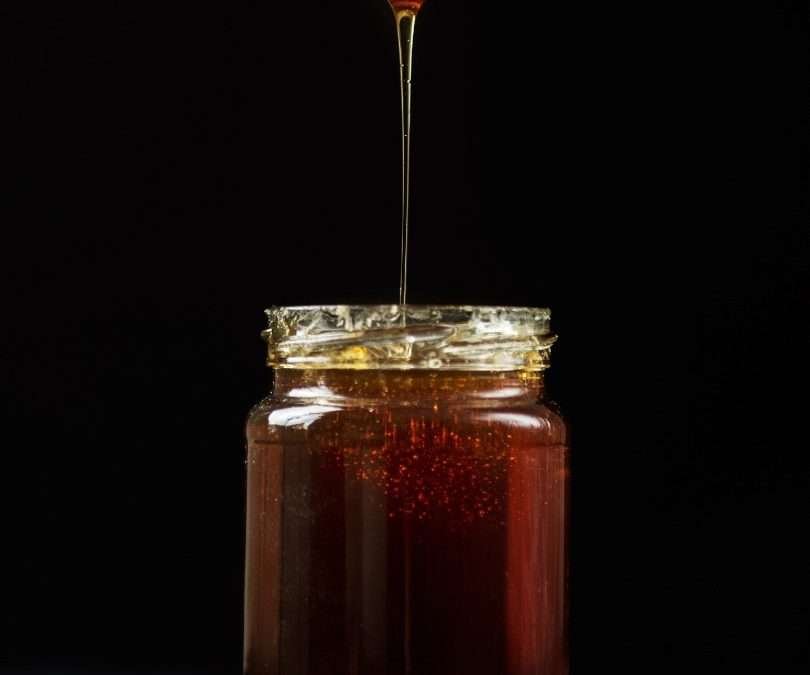
Eucalyptus honey is one of the most distinctive honeys produced around the Mediterranean. With its deep amber colour, herbal aroma and slightly caramel-like taste, it carries the character of the eucalyptus tree itself. In Cyprus, where eucalyptus trees grow along roadsides, wetlands and coastal areas, bees collect nectar from their flowers to produce a rich honey that has long been appreciated for both its flavour and its traditional health benefits.
What is eucalyptus honey good for?
Eucalyptus honey is valued for its aromatic flavour and its soothing properties, particularly for the respiratory system.
Traditionally it is used for:
- Supporting the respiratory system
- Soothing coughs and throat irritation
- Supporting the immune system
- Acting as a mild antimicrobial food
- Providing natural energy and minerals
Like most raw honeys, it contains antioxidants, enzymes and trace minerals. However, eucalyptus honey is particularly known for its herbal, slightly medicinal character, which comes from compounds in the nectar of eucalyptus flowers.
Many people enjoy it not only for health reasons but also for its bold flavour, which pairs well with herbal teas, yogurt, or warm water with lemon.
Is eucalyptus honey good for colds?
Eucalyptus honey is often used during the cold and flu season because of its soothing and warming qualities.
When taken with warm herbal tea, it can help:
- Calm throat irritation
- Ease dry coughs
- Provide gentle antimicrobial support
- Soothe inflamed tissues in the throat
The aroma and plant compounds associated with eucalyptus are traditionally linked with respiratory support, which is why eucalyptus leaves and essential oil are widely used in herbal medicine for congestion and breathing comfort.
A simple traditional remedy is:
Warm thyme or sage tea
- a spoonful of eucalyptus honey
- lemon juice
This combination offers both herbal and honey-based support for the throat and respiratory tract.
Does eucalyptus grow in Cyprus?
Yes, eucalyptus trees grow widely in Cyprus today, although they are not native to the island.
Eucalyptus originates from Australia, but the trees were introduced to Cyprus during the British colonial period in the late 19th century.
They were planted for several practical reasons:
- To help drain wetlands and marshy areas
- To help reduce mosquito populations and malaria
- To provide fast-growing timber and wind protection
- To stabilise soils and improve drainage in certain areas
Eucalyptus trees grow very quickly and absorb large amounts of water through their roots. Because of this ability, they were widely planted near wetlands, lakes and low-lying areas.
Over time they became a familiar part of the Cypriot landscape, particularly around coastal areas, riverbeds, salt lakes and rural roadsides.
When and why were eucalyptus trees introduced to Cyprus?
During the British administration of Cyprus (1878–1960), colonial authorities undertook several public health and land improvement projects. One of the major challenges at the time was malaria, which spread through mosquitoes breeding in stagnant water.
To help address this problem, eucalyptus trees were planted extensively in marshy regions because they absorb large amounts of groundwater, helping dry out areas where mosquitoes could breed.
The strategy was part of a broader effort that included drainage works and sanitation improvements.
While modern ecology recognises both benefits and drawbacks of introduced species, eucalyptus trees have now become a well-established and recognisable part of the island’s scenery.
What time of year do eucalyptus trees flower?
In Cyprus, eucalyptus trees typically flower from late autumn through winter and into early spring, although the exact timing varies depending on the species.
Many eucalyptus species bloom roughly between:
November and March
Their flowers produce abundant nectar, making them an important winter nectar source for bees. At a time when many other plants are not flowering, eucalyptus helps sustain bee colonies and allows beekeepers to harvest this distinctive honey.
A honey for the cold
Its strong flavour, dark colour and soothing qualities make it a favourite during the colder months, especially when paired with herbal teas and traditional remedies.
Find eucalyptus honey at Cyherbia: https://cyherbia.com/?post_type=product&p=19576&preview=true