
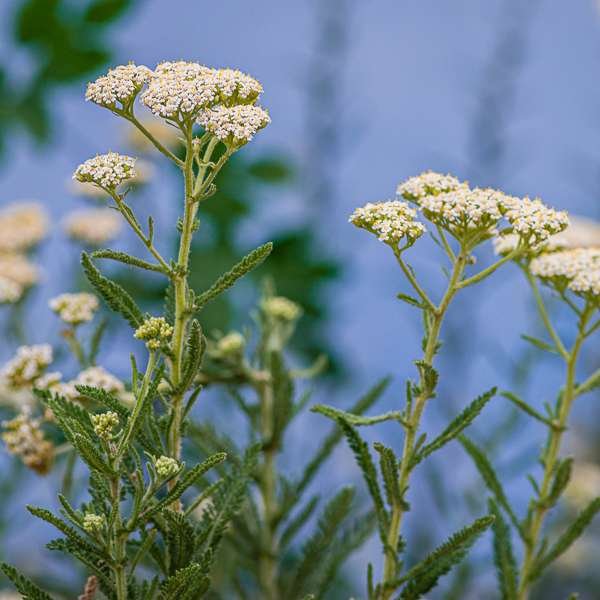
Delicate clusters of tiny white flowers dancing in the summer breeze may not immediately look like one of nature’s great healers, but Yarrow (Achillea millefolium) has been treasured for centuries as a plant of medicine, protection, and resilience. From ancient battlefields to herbal apothecaries and modern wellness practices, the many yarrow benefits have helped this herb hold a special place in herbal traditions around the world.
The Story of Achilles and Yarrow
Yarrow’s botanical name, Achillea, comes from the legendary Greek hero Achilles. According to ancient mythology, during the Trojan War Achilles was taught by the wise centaur Chiron about the healing properties of plants. One of these plants was yarrow.
Legend says that Achilles used yarrow to help stop bleeding and treat the wounds of his soldiers on the battlefield. Because of this association, yarrow became known as a “soldier’s herb” and was later carried by warriors and healers across many cultures.
Whether myth or reality, history shows that yarrow has long been valued for supporting the body in times of injury and recovery.
Traditional Uses of Yarrow
Many of the yarrow benefits recognised today come from traditional herbal knowledge passed down through generations. Yarrow has been used throughout Europe, Asia, and North America for centuries.
Traditional herbal uses include:
- Supporting wound care and helping stop minor bleeding
- Assisting digestion and reducing digestive discomfort
- Supporting the body’s natural response during colds and fevers
- Encouraging sweating during illness
- Supporting circulation
- Promoting relaxation
- Supporting women’s wellness
Many herbal traditions also viewed yarrow as a protective herb and used it in rituals, bundles, and folk medicine.
Yarrow and Menstrual Support
One of yarrow’s traditional uses, especially in herbal systems focused on women’s health, has been for menstrual comfort.
Herbalists have historically used yarrow to help ease menstrual discomfort and cramping because it is considered a relaxing herb for smooth muscle tension. Some also use it to support healthy circulation and balance during the menstrual cycle.
Among the traditional yarrow benefits often discussed by herbalists is its role in supporting women during their monthly cycle.
Many women enjoy drinking yarrow tea during their cycle, sometimes blended with herbs such as chamomile, lemon balm, raspberry leaf, or ginger.
As with many herbs, individual responses can vary, and people who are pregnant should avoid yarrow unless advised by a qualified healthcare professional.
How Is Yarrow Used in Modern Times?
Today, yarrow has moved from ancient medicine cabinets into modern herbal wellness practices.
People commonly use yarrow in:
- Herbal teas
- Tinctures
- Salves and infused oils
- Herbal baths
- Skin preparations
- Aromatherapy and botanical products
- Natural wellness routines
Modern herbalists often appreciate yarrow as a versatile herb that supports several body systems rather than focusing on only one specific purpose.
Yarrow is also loved in gardens because it attracts pollinators such as bees and butterflies while adding delicate beauty to landscapes.
Yarrow Tea – A Cup of Ancient Wisdom
Yarrow tea has a slightly bitter, earthy flavour with subtle floral notes. Traditionally, bitters were highly valued because they stimulate digestive processes and support overall wellbeing.
People commonly drink yarrow tea for the following yarrow benefits:
- Digestive support
- Menstrual comfort
- Relaxation
- Seasonal wellness support
- Supporting the body’s natural sweating response during colds
To prepare yarrow tea:
Add 1–2 teaspoons of dried yarrow flowers and leaves to hot water and allow to steep for approximately 10–15 minutes before straining.
Some people enjoy combining yarrow with:
Order organic yarrow tea from our gardens here
Yarrow Tincture – Concentrated Herbal Support
A yarrow tincture is a concentrated herbal extract usually prepared by soaking the plant material in alcohol or glycerine to draw out its beneficial compounds.
Tinctures offer a convenient way to use herbs because they:
- Have a long shelf life
- Can be taken in small amounts
- Are easy to carry
- May provide quicker absorption
People often reach for yarrow tinctures during seasonal changes, digestive discomfort, or for menstrual support as part of their herbal routine.
Try Cyherbia Yarrow Tincture here
Ancient Wisdom in a Modern World
Yarrow reminds us that healing traditions are woven through human history. A plant once associated with warriors and mythological heroes continues to find its place in gardens, kitchens, and herbal cupboards today.
The enduring fascination with yarrow benefits shows that ancient herbal wisdom still has a place in modern life.
Perhaps part of yarrow’s magic lies not only in what it offers the body, but also in what it teaches us: resilience, balance, and the quiet wisdom that nature has shared with humanity for thousands of years.