
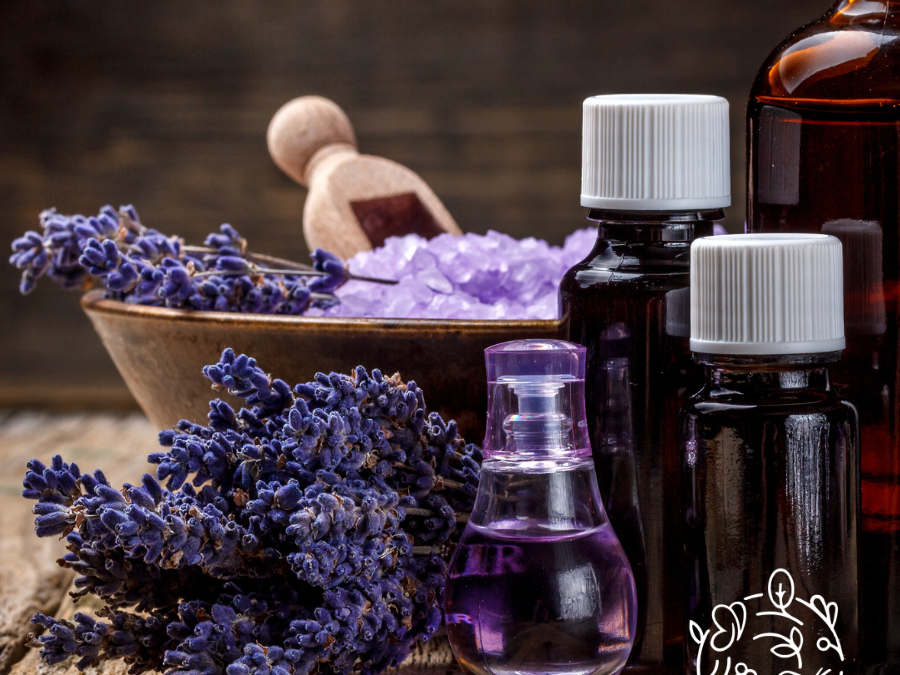
What Are Essential Oils?
Essential oils are highly concentrated plant extracts taken from flowers, leaves, stems, bark, or roots. At Cyherbia Botanical Park, essential oils are produced through steam distillation using aromatic Mediterranean herbs grown in Cyprus.
During the distillation process, the oil is separated from the plant water. The remaining aromatic water is known as a hydrosol or hydrolate, which contains gentler plant properties than the concentrated essential oil.
Because essential oils are highly potent, it is important to learn how to use them safely and correctly.
How to Use Essential Oils
There are several traditional ways essential oils are commonly used in aromatherapy and natural wellness practices.
1. Inhalation & Steam Baths
Inhalation is one of the most popular methods for using essential oils.
Steam Bath Method
- Fill a large bowl with hot water
- Add 2–3 drops of essential oil
- Place your face above the bowl
- Cover your head with a towel
- Breathe deeply for around 10 minutes
This method is commonly used in aromatherapy during colder months or for relaxing skincare rituals.
Best Essential Oils for Inhalation
Lavender Essential Oil
Traditionally used for:
- Relaxation
- Skincare support
- Aromatherapy
- Headaches and stress relief
Eucalyptus Essential Oil
Traditionally used for:
- Steam inhalation
- Refreshing breathing rituals
- Cooling and cleansing aromas
Thyme Essential Oil
Traditionally used in herbal steam baths and aromatherapy for its strong herbal aroma.
2. External Application on the Skin
Essential oils are commonly diluted in:
- Carrier oils
- Body creams
- Balms and salves
- Massage oils
Safe Dilution
A simple traditional dilution method is:
- 1 drop essential oil
- 5 ml carrier oil
Always dilute essential oils before applying them to the skin.
Essential Oils Commonly Used for Massage
Lavender & Rosemary
Traditionally used in massage blends for relaxation and muscle comfort.
Bay Laurel & Rosemary
Often used in warming massage oils for tired muscles and body tension.
Important Sun Safety Note
Some essential oils contain compounds such as limonene, which may increase sensitivity to sunlight.
These include:
- Lemon
- Orange
- Bergamot
- Lemon Verbena
These oils are best used in the evening or when avoiding direct sun exposure.
3. Internal Use of Essential Oils
Only certain essential oils are traditionally used internally, and this should always be done carefully and responsibly.
Essential oils are extremely concentrated and should never be consumed without proper guidance.
Oregano Essential Oil
Oregano oil is one of the strongest Mediterranean essential oils and has traditionally been used in small amounts during seasonal wellness routines.
A common traditional method is mixing:
- 1–2 drops oregano oil
with - yoghurt or thick juice
Essential oils should never be mixed directly with water because oil and water do not combine properly.
Using Essential Oils in Cooking
Certain essential oils are traditionally used in food and drinks in very tiny amounts.
Examples include:
- Rosemary oil
- Thyme oil
- Oregano oil
These oils are sometimes added to:
- Olive oil dressings
- Homemade desserts
- Herbal cocktails
Because essential oils are highly concentrated, only very small quantities are needed.
How to Store Essential Oils
To preserve quality and safety:
- Store oils in a cool dark place
- Keep out of reach of children
- Always use glass bottles
- Avoid storing oils in plastic containers
Essential oils may damage plastic over time.
Essential Oils at Cyherbia
At Cyherbia Botanical Park, visitors can explore traditional Mediterranean herbs and learn about the distillation process used to create essential oils in Cyprus.
Popular oils available include:
- Oregano Essential Oil
- Lavender Essential Oil
- Eucalyptus Essential Oil
- Tea Tree Essential Oil
Learn More About Essential Oils
Cyherbia regularly organises herbal workshops and experiences where visitors can:
- Watch essential oil distillation
- Learn about Mediterranean herbs
- Discover aromatherapy traditions
- Explore natural wellness practices
Essential Oil Safety Information
Essential oils are powerful concentrated plant extracts and should always be used responsibly.
The information above refers to traditional and historical uses in aromatherapy and herbal wellness practices. Essential oils are not intended to diagnose, treat, cure, or prevent disease.
Always consult a qualified healthcare professional before using essential oils, especially during pregnancy, when taking medication, or when using oils on children or sensitive skin.