
Winter Wellness with Cypriot Herbs
Winter in Cyprus has always been a season when herbs are used the most. In the past as well as now, families use aromatic herbs growing in their garden or in the mountains to support immunity, treat common cold and flu, and strengthen the body’s natural resilience. At Cyherbia Botanical Park, we continue this tradition by growing these medicinal herbs onsite and preparing them into herbal teas, essential oils and tinctures, made with care from seed to finished product. These preparations allow you to experience the full spectrum of each herb’s winter-supportive properties in natural, potent form.
Thyme (Thymus capitatus)
Thyme is one of the most beloved winter herbs in Cyprus, traditionally used for colds, coughs, flu and digestive weakness. Its high thymol and carvacrol content gives it strong antimicrobial, expectorant and warming qualities.
Tea: Thyme tea is a classic remedy for chest congestion, coughs and upper respiratory infections. It loosens mucus, soothes sore throats, calms spasmodic coughing and supports the immune system. Traditionally, Cypriot families used thyme tea at the first sign of a cold.
Essential oil: Thyme essential oil is potent and must always be diluted. It is excellent for steam inhalations to clear blocked sinuses and support breathing. Used in a diffuser, it purifies the air and supports immunity. Topically (always diluted), it can ease muscular stiffness and mild rheumatic pain due to its warming nature.
Traditional Cypriot uses:
• Colds, flu, bronchial congestion
• Sore throat and cough
• Digestive difficulties and bloating
• Fatigue
• Muscle stiffness
Sage (Salvia fruticosa)
Cypriot sage is a deeply aromatic and restorative herb, rich in antioxidant and anti-inflammatory compounds. It has been used for centuries for sore throats, digestive discomfort and emotional steadiness.
Tea: Sage tea is warming and grounding. Traditionally used after heavy meals, it helps digestion, reduces bloating and soothes stomach tension. It is also a trusted remedy for sore throats and mouth inflammations. In winter, many Cypriot households drink sage tea to maintain clarity and balance when the days grow darker.
Essential oil: Sage essential oil supports circulation, relieves muscle tension and carries strong antimicrobial properties. Diluted and applied topically, it can ease stiff joints, uplift mood and soothe the nervous system. Used in steam inhalation, it supports the respiratory system.
Traditional Cypriot uses:
• Sore throat, swollen glands
• Digestive discomfort, bloating, heaviness
• Calming the nerves during winter
• Mild winter anxiety
• Stiff joints and aches from cold weather
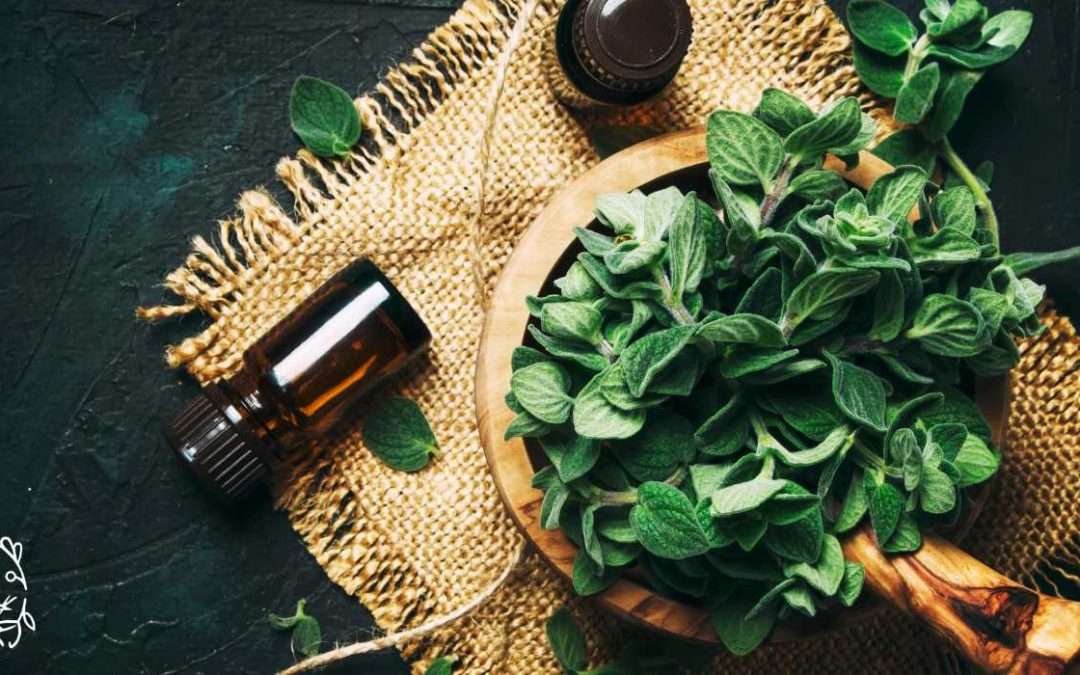
Oregano (Origanum vulgare)
Oregano is one of the most powerful antimicrobial herbs in the Mediterranean. In Cyprus, oregano tea and essential oil have long been used for colds, flu, digestive weakness and recovery after illness. Its essential oil is extremely potent and must always be diluted.
Tea: Oregano tea is warming and deeply supportive to the respiratory system. It helps the body fight infections, clears mucus, soothes coughs and aids digestion. Traditionally, it was the winter tea of choice for chest colds and flu-like symptoms.
Essential oil: Oregano essential oil contains high concentrations of carvacrol and thymol, giving it intense antimicrobial and antiviral properties. Diluted, it is used in massage blends for chest congestion, muscular pain and rheumatic discomfort. Inhaled via diffuser, it supports immune defence and cleanses the air.
Internal use (traditional): In many Cypriot households, oregano oil has been traditionally taken internally in very small, well-diluted amounts mixed into honey or oil. This practice is strong and not suitable for everyone; always seek guidance from a trained herbal practitioner before internal use.
Traditional Cypriot uses:
• Colds, flu, fever
• Sore throat and infections
• Digestive weakness, stomach pain
• Chest congestion
• Anti-fungal
• General immune strengthening
Bay Laurel (Laurus nobilis)
Bay laurel has been part of Cypriot herbal tradition since ancient times. Both leaves and essential oil support digestion, breathing, circulation and emotional strength. Use dry or fresh bay laurel leaves in cooking such as soups, stews and oven dishes.
Essential oil: Bay laurel essential oil has several important uses. It soothes muscle and joint pain, aids digestion and helps with rheumatic and arthritic discomfort. It is best used diluted with a carrier oil and massaged into the skin to receive these benefits.
Traditional Cypriot uses:
• Bloating, indigestion, heavy stomach
• Coughs and chest congestion
• Muscle and joint pain
• Circulation support
• Mental clarity during winter
Rosemary (Rosmarinus officinalis)
Rosemary is invigorating, aromatic and strengthening. In Cypriot tradition, it is used to boost circulation, ease winter fatigue, relieve headaches and support digestion.
Tea: Rosemary tea is stimulating and aromatic, ideal for clearing the mind on cold days. It supports circulation, aids digestion, soothes headaches and helps the body stay warm. Often combined with thyme in winter brews.
Essential oil: Rosemary essential oil is excellent for mental clarity, fatigue, headaches and muscle tension. Used in steam inhalations or a diffuser, it supports respiration and alertness. Diluted and applied topically, it increases circulation and can ease arthritic or rheumatic pain.
Traditional Cypriot uses:
• Headaches and mental fatigue
• Muscle tension
• Poor circulation and cold extremities
• Digestive discomfort
• Mild respiratory support
• Joint aches in colder months
How to Use These Herbs in Winter
Tea brewing:
Drink thyme, oregano, sage or rosemary tea daily during winter for immune and respiratory support. Use bay leaves in your cooking.
Steam inhalations:
Thyme, bay laurel and rosemary essential oils help clear congestion and open breathing. Use 1–2 drops in hot water.
The Power of Cypriot Herbal Tradition
These herbs have supported life on this island for centuries. Their aromas, energies and medicinal qualities reflect the Mediterranean climate and the generations who relied on them for winter health. At Cyherbia, we grow these plants with the same respect for tradition, preparing them as herbal teas, essential oils and tinctures so you can bring the warmth and wisdom of Cypriot herbal medicine into your winter rituals.
1. As Home Remedies for Common Illnesses
Before modern medicine was widely available, Cypriot families relied on herbal preparations for everyday ailments. Almost every household had a small collection of dried herbs ready for winter.
Most common uses:
• Colds & flu: thyme, sage, oregano
• Chest congestion: thyme tea, eucalyptus or bay laurel steam
• Sore throat: sage tea, lemon and honey mixtures, thyme gargles
• Digestive discomfort: mint, bay leaf, rosemary, anise, fennel
• Fever: elderflower, chamomile, oregano
• Headaches: rosemary tea, lavender compresses
• Joint and muscle pain: rosemary oil rubs, warming compresses with bay laurel
2. In Culinary Tradition
Herbs are inseparable from Cypriot cooking. Their medicinal benefits often overlap with their culinary role.
Key culinary herbs:
• Oregano for souvla, salad, halloumi, and stews
• Thyme in meat dishes, lentils and traditional breads
• Mint in keftedes, koupepia, and soups
• Rosemary with roast potatoes, lamb, and oven dishes
• Bay leaf for stews, legumes, soups and rice dishes
• Sage occasionally used in meats, and widely used in herbal teas
Traditional Cypriot cooking uses herbs both for flavour and to support digestion.
3. In Women’s Herbal Knowledge
Herbal knowledge in Cyprus was often passed down through women—mothers, grandmothers and village healers.
Uses included:
• Tea mixtures for colds, fevers or stomach aches
• Herbal baths for relaxation
• Postpartum support with sage tea
• Mint or anise teas for children’s upset stomachs
• Lavender sachets for calming babies
• Rose water and orange blossom water for skin care
This “kitchen medicine” was essential in every home.
4. In Folk Healing and Rural Practices
Village healers (giatrines) often used herbs in combination with prayer, ritual and observation of nature.
Traditional practices included:
• Poultices (kataplásmata) made with warm herbs for wounds or inflammation
• Steams and inhalations for respiratory illness
• Herbal compresses for muscle or joint pain
• Herbal oils infused in olive oil for massage or skin healing